About Acrylic swimming pools
How are pool windows made?
Acrylic Pool Windows: How They Are Made?
Acrylic pool vs. glass pool: pros and cons, which one is more suitable for you
About Acrylic swimming pools
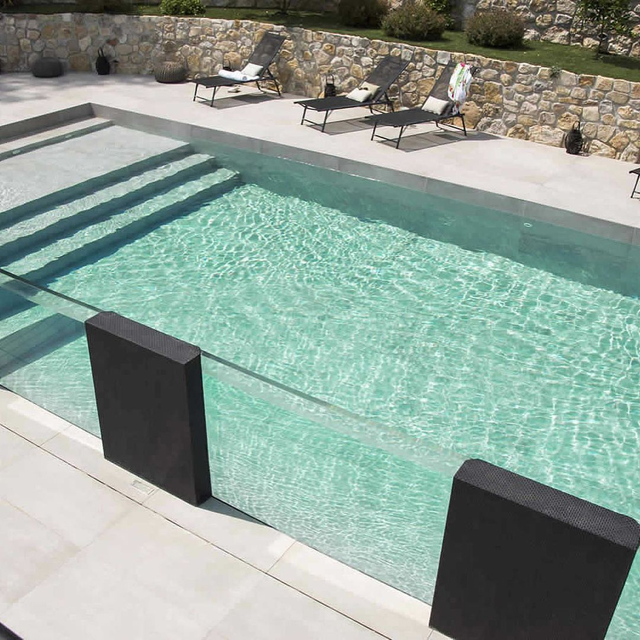
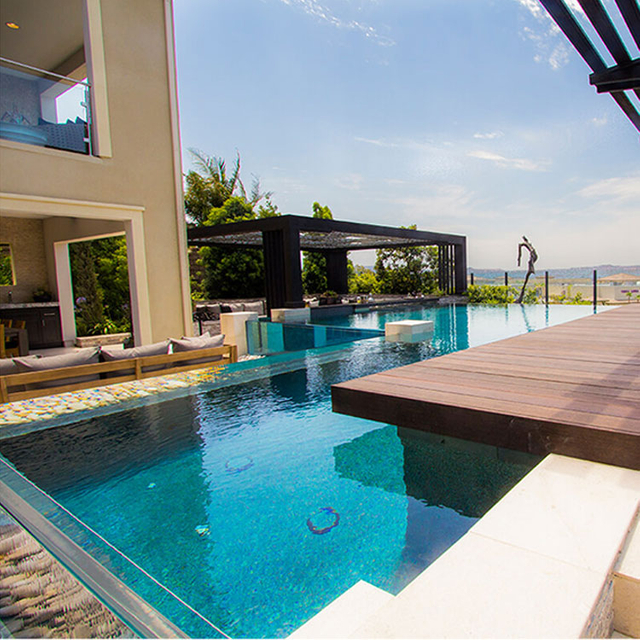
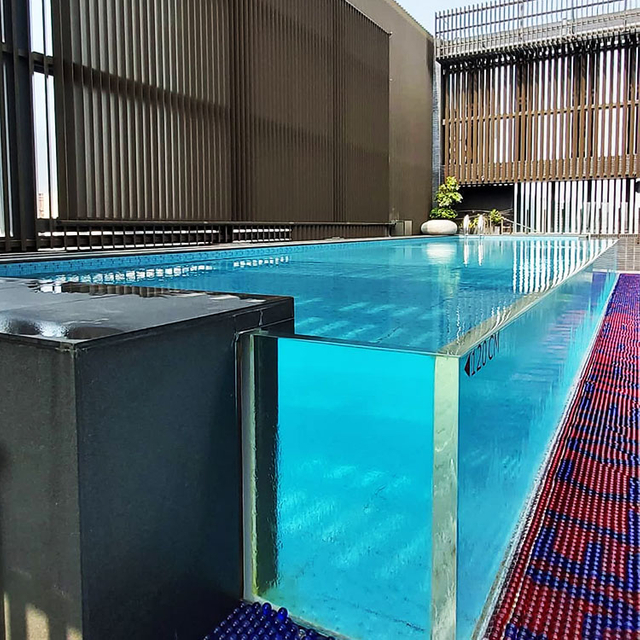
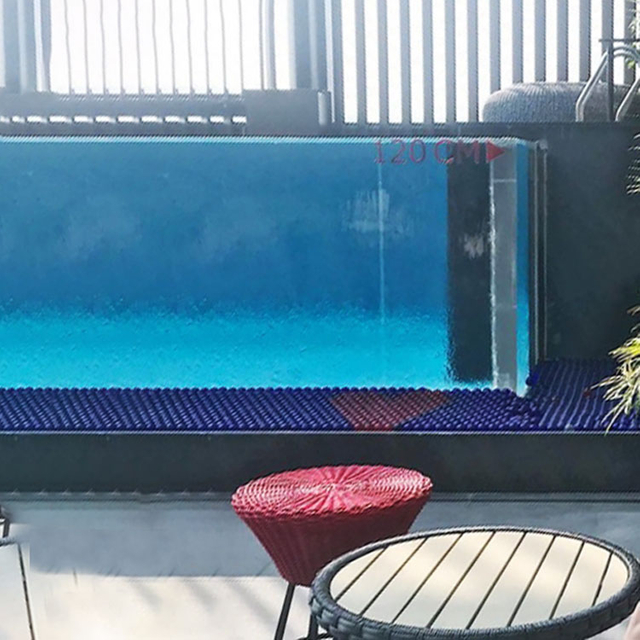
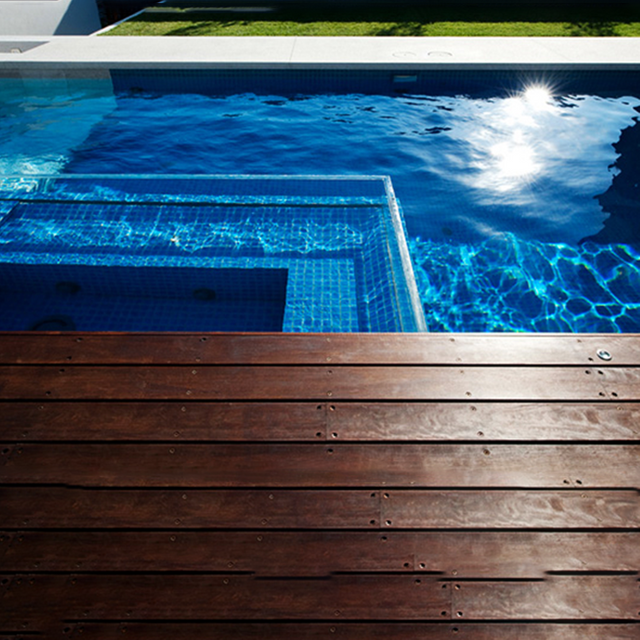
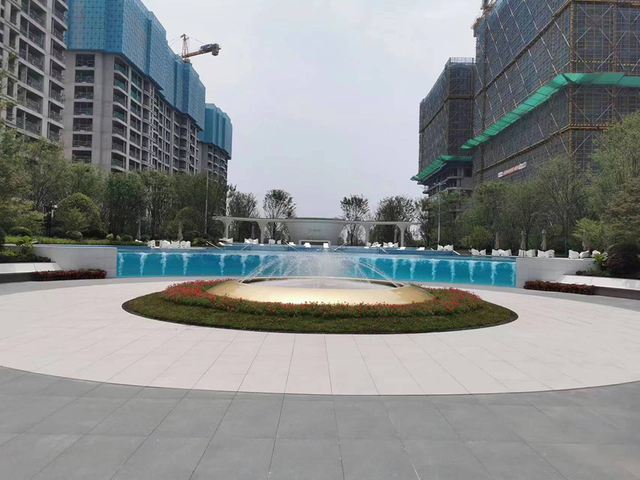
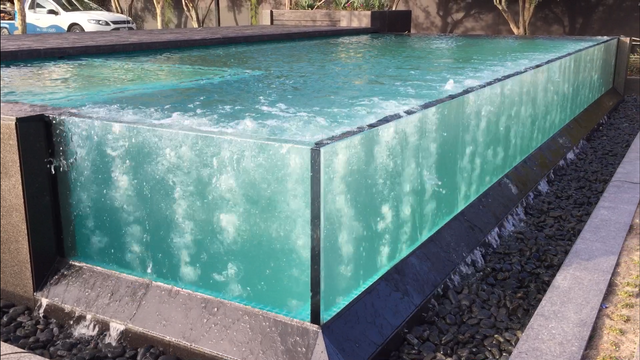
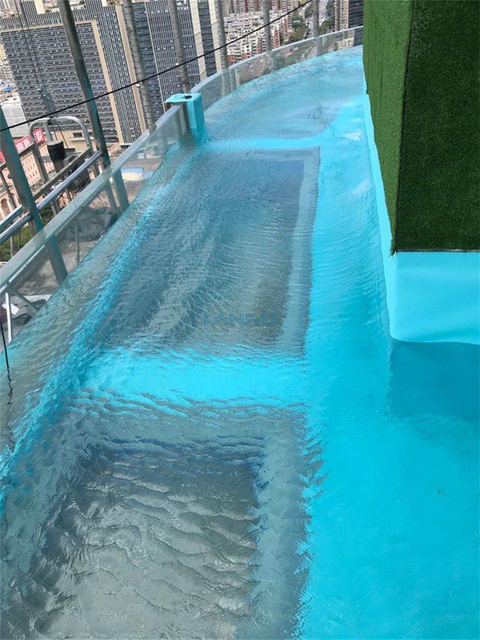
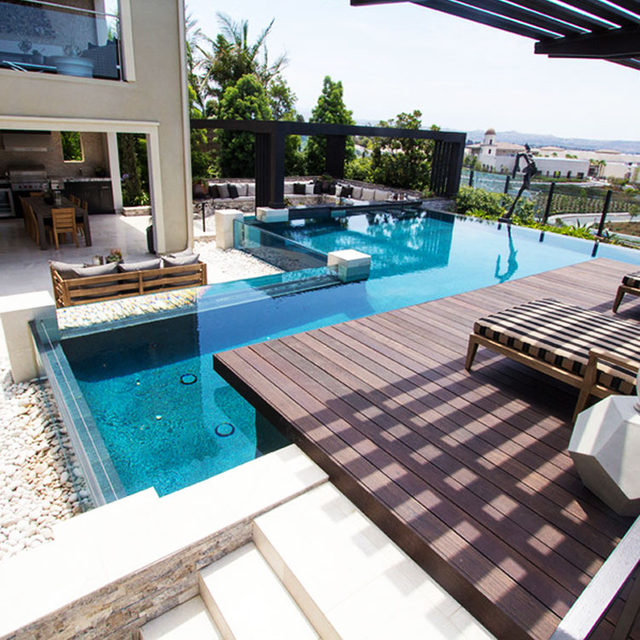
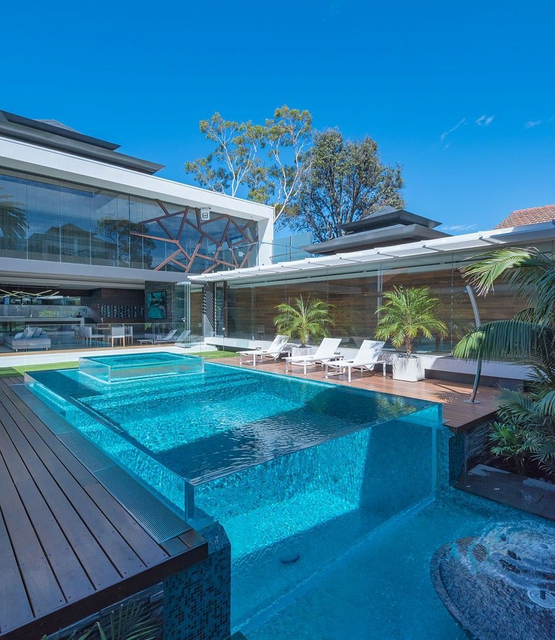
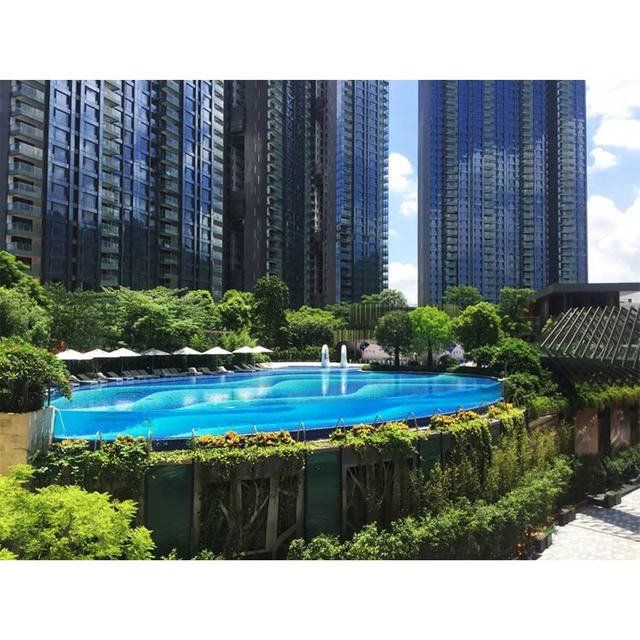
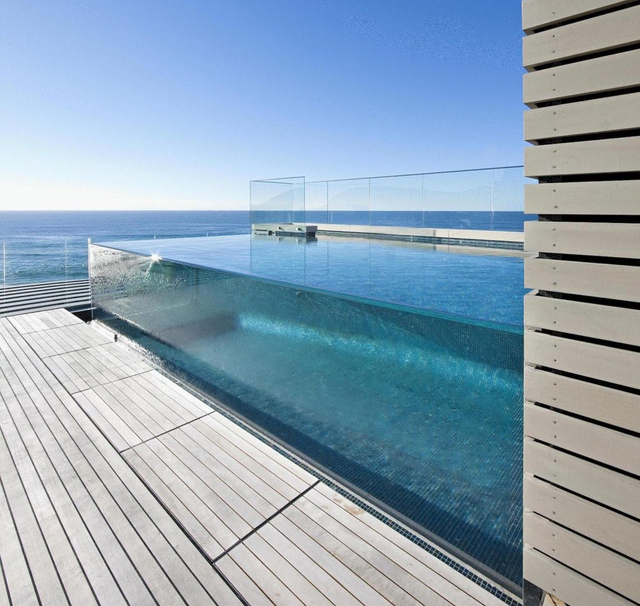
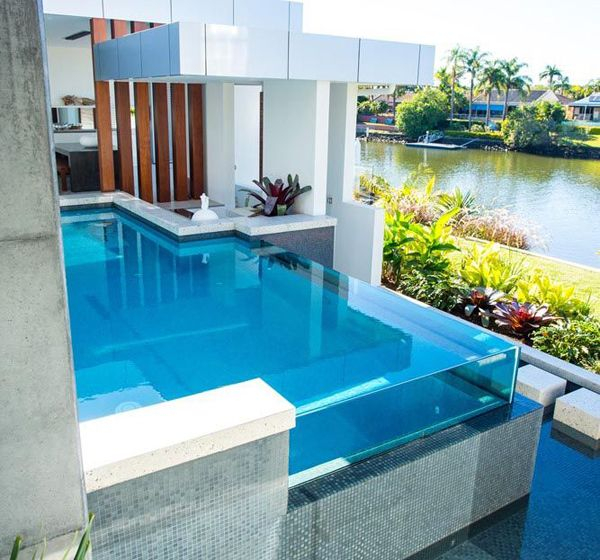
Acrylic swimming pools add modern style to your backyard with their unique designs. The look of glass and clean lines add to the modern look. There are many different materials that can be used as a pool base that you can add to your acrylic swimming pool to change the look. These materials range from dark tiles to light concrete to mosaic tiles. Most of these pools are elevated and have an acrylic window or two, but some have acrylic all around. Most acrylic swimming pools are designed using the pool corners as structural supports to bear the weight of the acrylic and the water in the pool.
Additionally, there is a lot of work to be done in the design and construction of an acrylic/glass swimming pool. Structural work must be carried out correctly to maintain water levels. Especially when the pool is also zero-sided, water flows into the pool from the edge.

How are pool windows made?
The first step in making a pool window is choosing the right material. Pool windows are usually made of acrylic or glass because both materials are strong and durable and can withstand the pressure of water. However, acrylic is usually preferred because it is more flexible than glass, making it less likely to crack or shatter.
Once the material is selected, the next step is to create a mold. The molds are designed to the exact specifications of your pool window, ensuring a perfect fit. Molds are usually made of fiberglass or foam and are carefully crafted to have a smooth and even surface.
After the mold is made, the acrylic is heated to high temperatures and then carefully shaped into the shape of the mold. This process is called thermoforming. The material is then cooled slowly to prevent warping and cracking.
Once the pool window is formed, it is carefully inspected to ensure it meets the highest quality standards. Any imperfections will be corrected before the windows are installed.
Pool windows can be installed in a variety of ways, depending on the design of the pool and the owner's preferences. Some pool windows are installed with frames that are fixed to the pool wall, while others are installed directly to the pool wall. Regardless of the method used, it is important to ensure that the window installation is secure and waterproof.
Acrylic Pool Windows: How They Are Made
Swimming pools are a great way to relax and unwind, and adding a pool window can take your pool experience to the next level. Acrylic pool windows are a popular choice for many pool owners because of their durability and clarity, but have you ever wondered how these windows are made? In this article, Le Yu Acrylic will reveal the secrets of creating acrylic pool windows for you the process of.
Step One: Casting the Acrylic Sheet
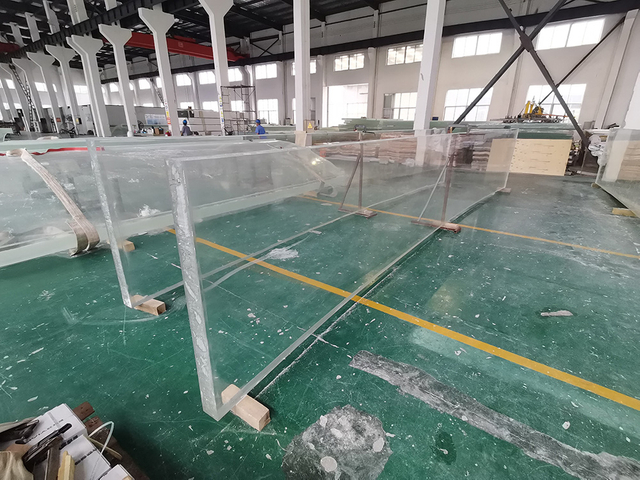
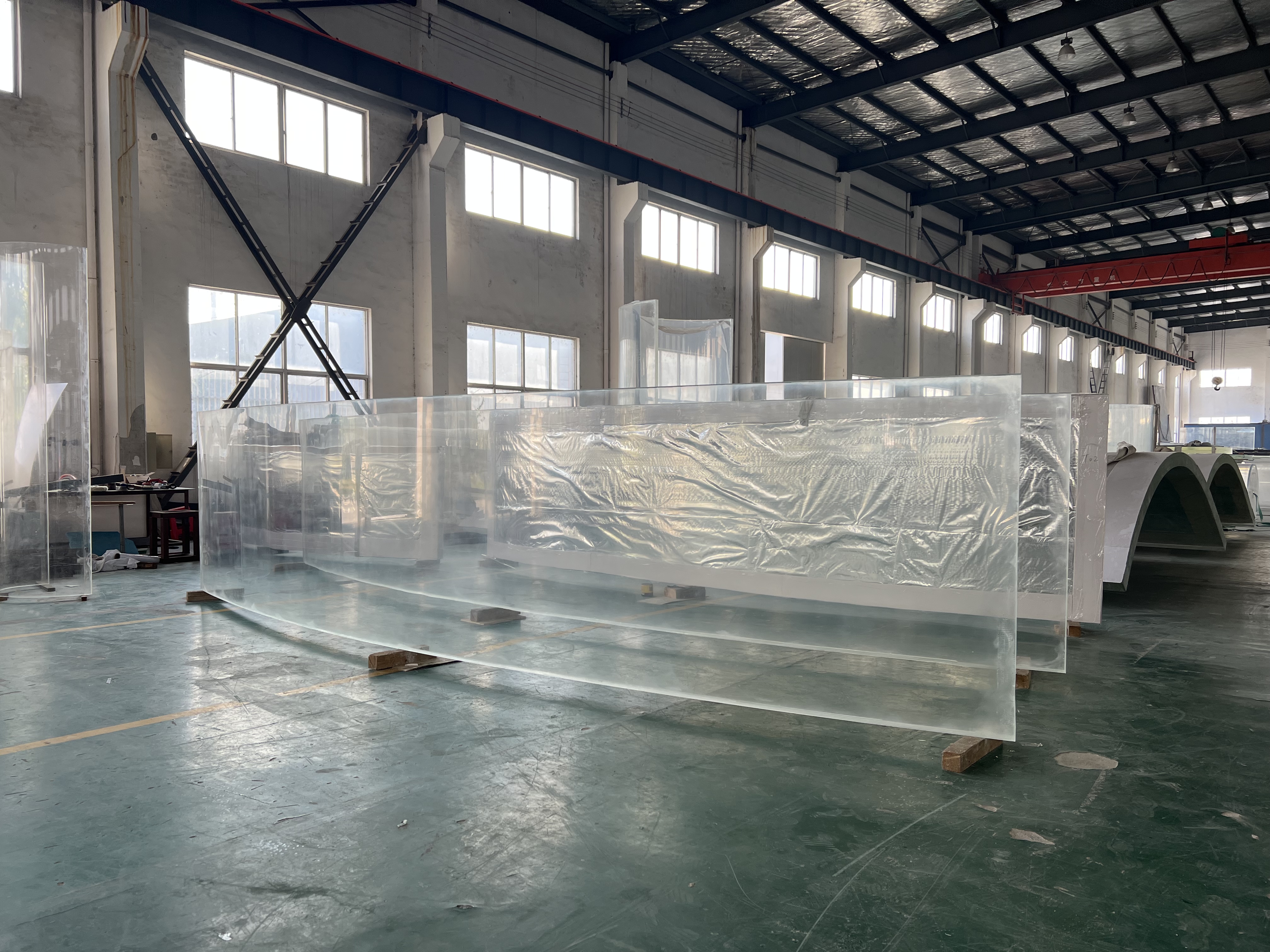
The first step in making an acrylic pool window is to cast the acrylic sheet. This is done by pouring the liquid acrylic mixture onto a flat surface and allowing it to cure. The quality of acrylic sheets depends on the quality of raw materials and casting process. The thickness of the lamellae can also vary depending on the desired size of the pool window.
Step 2: Cut the acrylic sheet
Once the acrylic sheet is cured, it is cut into the desired shape and size of the pool window. This is usually done with a saw or laser cutter to ensure precise cuts. The edges of the acrylic sheet are then polished to create a smooth surface.
Step 3: Form the Pool Window
After the acrylic sheets are cut and polished, it's time to form the pool window. This is done by heating the acrylic sheet to a specific temperature and then shaping it into the desired shape. This process is called thermoforming and can be accomplished in a variety of ways, including vacuum forming and pressure forming.
Step 4: Inspection and Quality Control
Once the acrylic sheet has been formed into the desired shape, it needs to be checked by measurement to ensure it meets the required specifications. This includes checking for any imperfections or imperfections, such as bubbles or scratches.
Step 5: Installation
After the acrylic panel passes the inspection, it can be installed as a swimming pool window. This typically involves attaching the acrylic panels to a frame or support structure that is designed to withstand the weight of the water and pressure from the pool. The installation process can vary depending on the size and shape of your pool window and the type of support structure used. (Leyu Acrylic will provide customers with swimming pool installation instructions, including how to perform waterproofing)
Overall, pool windows are made of strong and durable materials such as acrylic or glass. The process of making a pool window involves designing the mold, thermoforming the material and carefully inspecting the final product. If you are considering adding an acrylic pool window to your pool, be sure to work with a reputable contractor who has experience installing these unique features.
Acrylic pool vs. glass pool: pros and cons, which one is more suitable for you?
Acrylic and glass swimming pools are both popular choices for homeowners looking to add a touch of luxury to their outdoor living spaces. Leyu Acrylic will discuss with you the differences between acrylic pools and glass pools, their applications, and the installation process.
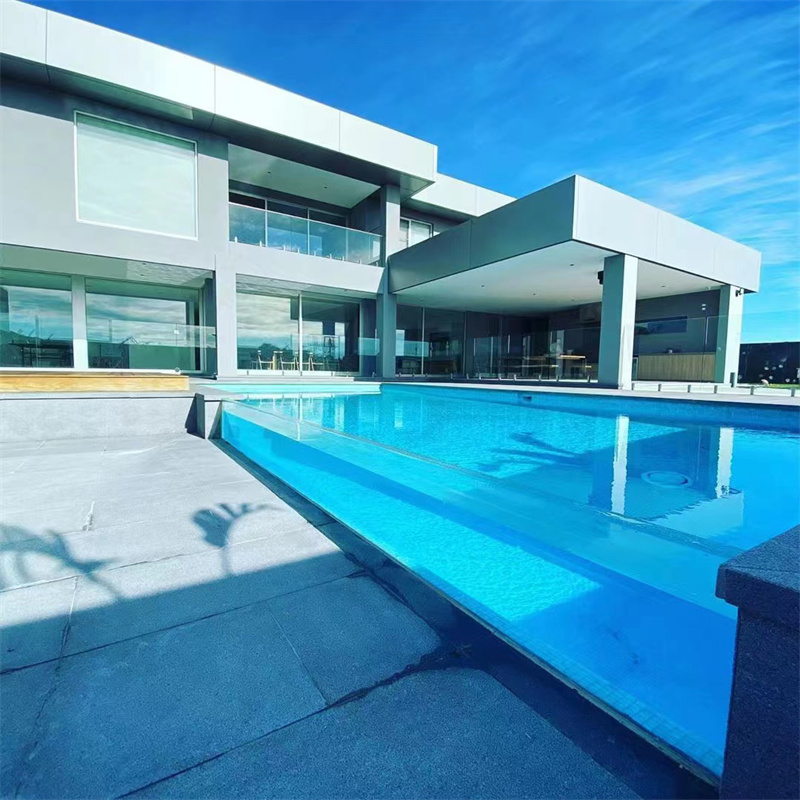
Acrylic pools are made from polymethyl methacrylate (PMMA), a lightweight and durable plastic that is resistant to corrosion and UV radiation. Acrylic pools offer excellent clarity and transparency, providing uninterrupted water views. They are the first choice of many homeowners because they can be easily molded into different shapes and sizes, providing a customized look that suits the homeowner's specific needs and desires. Additionally, acrylic has higher impact resistance than glass, making it more resistant to damage from accidental impacts, and its flexibility allows it to better handle the dynamic loads of water. Although acrylic is not as scratch-resistant as glass, it is easily repaired.
Another advantage of acrylic pools is that they have a higher insulating value compared to glass, which helps maintain the temperature of the water, making them more energy efficient. Acrylic pools can be installed using a variety of techniques, including the traditional method of pouring concrete into the form or using precast panels. The installation process typically involves digging a U-shaped channel, grouting, and then sealing the panels. Depending on the complexity of the design, this process may take several days to complete.
Another advantage of acrylic pools is that they have a higher insulation value compared to glass, which helps maintain the temperature of the water. This means the pool can be used for longer periods of the year and can be heated more efficiently.
Glass swimming pools, on the other hand, are made of tempered glass. Glass pools provide a nice surface finish, are easy to maintain, and best of all, they are more scratch-resistant than acrylic. However, it is not repairable like acrylic.
Glass pools are made from tempered glass, a type of safety glass that is four times stronger than regular glass. The glass is usually between 3/4 inches thick and supported by a stainless steel or aluminum frame. Typically we use 3/4 inch glass layers for larger glass panels. Known for their modern and luxurious appearance, glass swimming pools are popular in high-end residences and luxury hotels.
Glass pools are highly customizable and can be designed to fit any shape or size. They also provide good visibility, allowing swimmers to appreciate the surrounding landscape while swimming. Glass pools also provide a good surface finish, are easy to maintain, and most importantly are more scratch resistant than acrylic. It is not repairable like acrylic.
Choosing an acrylic or glass pool ultimately comes down to the homeowner’s preference and budget. Although acrylic pools are more affordable and easier to install, the panels can be custom shaped. No matter which pool you choose, be sure to work with a qualified and experienced swimming pool contractor to ensure a high-quality installation that will last for years to come.
Overall, both acrylic and glass pools have their own unique features and are popular choices for homeowners who want to add a touch of luxury to their outdoor living spaces. However, considering the pros and cons of each, an acrylic pool is the better choice for most people. Acrylic's superior durability, impact resistance, insulation value, and customization options make it a more practical and long-lasting choice for swimming pool installations. So, consider acrylic as your first choice when it comes to choosing the right swimming pool for your home. And, always work with a qualified and experienced swimming pool contractor to ensure a high-quality installation that will last for years to come.
 العربية
 Русский
 Español
 Português
 English
 Français
 Deutsch
 italiano
 한국어
한국어 Nederlands
 Tiếng Việt
 ไทย
ไทย Polski
 Türkçe
 አማርኛ
አማርኛ ភាសាខ្មែរ
 Bahasa Melayu
 தமிழ்
தமிழ் Filipino
 Bahasa Indonesia
 magyar
 Română
 Čeština
 Српски
 हिन्दी
 فارسی
فارسی Kiswahili
 Slovenčina
 Slovenščina
 Norsk
Norsk Svenska
 Ελληνικά
 Suomi
Suomi עברית
עברית Dansk
Dansk Shqip
Shqip বাংলা
বাংলা Hrvatski
 Afrikaans
 Māori
Māori සිංහල
සිංහල Беларуская мова
 Bosanski
 ދިވެހި
 Esperanto
 guarani
 Hausa
Hausa ʻŌlelo Hawaiʻi
 Kurdî
Kurdî Lietuvių
 Македонски
 ਪੰਜਾਬੀ
 Runasimi
 Türkmençe
 isiZulu