Language


|


Acrylic Fish Tanks
Leyu
LY20230528
Mitsubishi Corporation Lucite brand acrylic raw material
20-800mm
Ocean Park, Hotel, Shopping Center, Theme Park, Zoo
Wooden box, iron frame
Provide technical guidance and on-site installation services
Transparency reaches 93%
Can customize cylindrical cylinders of different sizes
Uvioresistant
5000 tons
Clear transparency, 93%
Product Description
To calculate the thickness of acrylic aquarium, you need to consider the water pressure exerted on the walls of the tank. The thickness required depends on factors such as the dimensions of the tank and the depth of the water. Here's a general guideline for calculating the thickness of acrylic aquarium:
Decide on the desired water level in the aquarium. This will help determine the height or depth of the water column.
Hydrostatic pressure increases with the depth of the water. The formula to calculate hydrostatic pressure is P = ρgh, where P is the pressure, ρ is the density of water (approximately 1000 kg/m³), g is the acceleration due to gravity (approximately 9.8 m/s²), and h is the height or depth of the water column.
The maximum pressure exerted on the walls of the aquarium occurs at the bottom. This pressure is equal to the hydrostatic pressure calculated in the previous step.
It's important to add a safety factor to the thickness calculation to account for any uncertainties or variations. A common safety factor is 3 or 4.
Divide the maximum pressure on the walls by the safety factor. The resulting value will be the minimum thickness required for the acrylic material.
It's worth noting that this is a simplified method and does not take into account additional factors such as the dimensions and design of the aquarium, the material quality, or any additional loads or stresses. For large or custom aquariums, it's recommended to consult with an expert or engineer who specializes in aquarium design to ensure the appropriate thickness is determined.
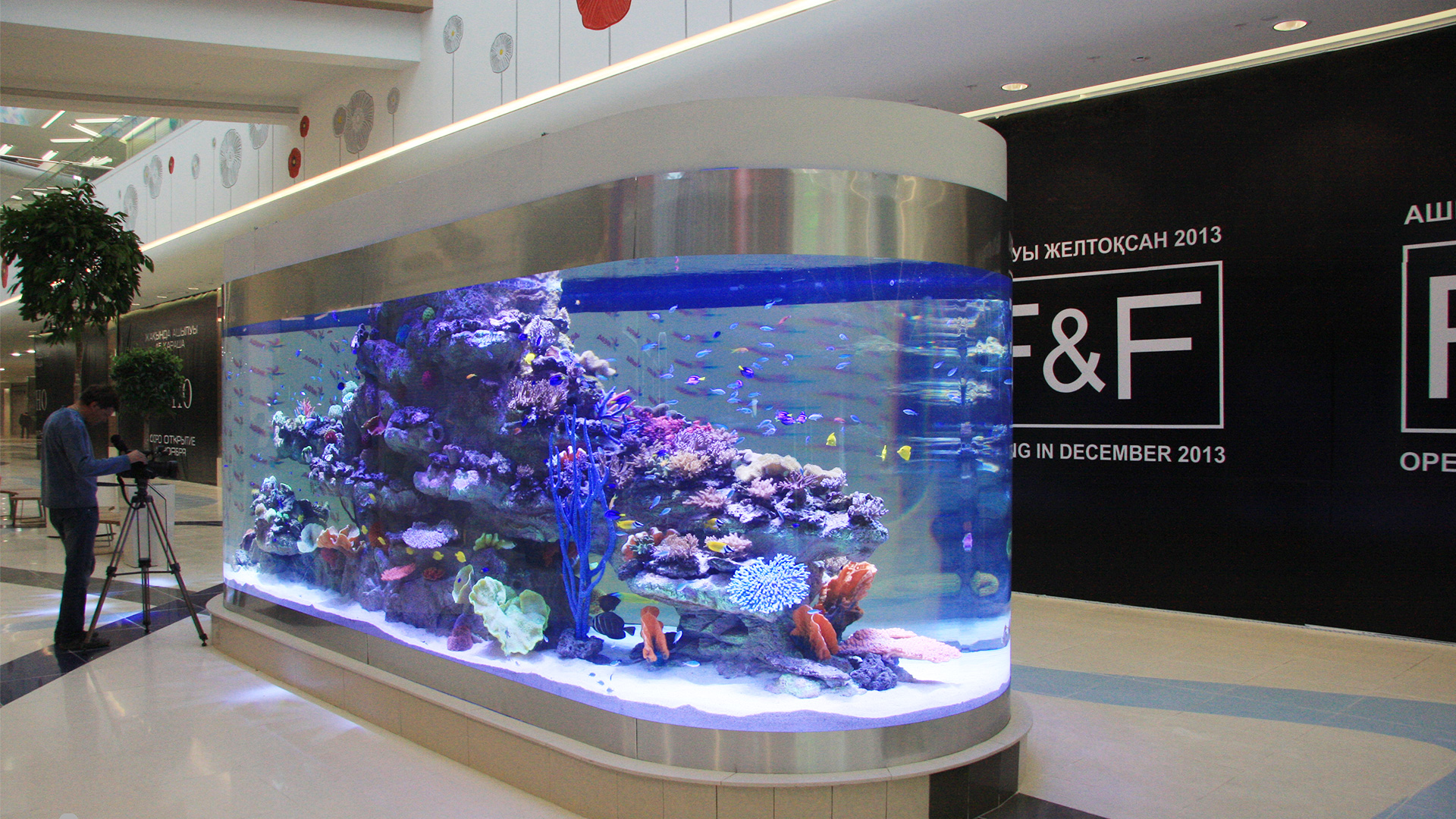
The Leyu acrylic fish tank is a type of fish tank made from acrylic material. Acrylic is a transparent and durable plastic that is often used as an alternative to glass in aquariums. Leyu is a brand that specializes in manufacturing acrylic fish tanks and is known for producing high-quality products.
Acrylic fish tanks have several advantages over traditional glass tanks. They are lighter in weight, making them easier to move and transport. Acrylic is also more impact-resistant than glass, reducing the risk of cracking or breaking. Additionally, acrylic provides better insulation, maintaining a more stable water temperature for the fish.
Leyu acrylic fish tanks come in various shapes and sizes to suit different preferences and space requirements. They often feature seamless construction, providing a clear and unobstructed view of the fish. The acrylic material is also less prone to distortion, ensuring optimal clarity.
When setting up a Leyu acrylic fish tank, it is important to follow proper aquarium maintenance practices. This includes regularly cleaning the tank, maintaining appropriate water parameters, and providing a suitable environment for the fish. It is also crucial to choose compatible fish species and provide them with proper nutrition and care.
Overall, Leyu acrylic fish tanks offer a reliable and aesthetically pleasing option for housing and showcasing aquatic life.
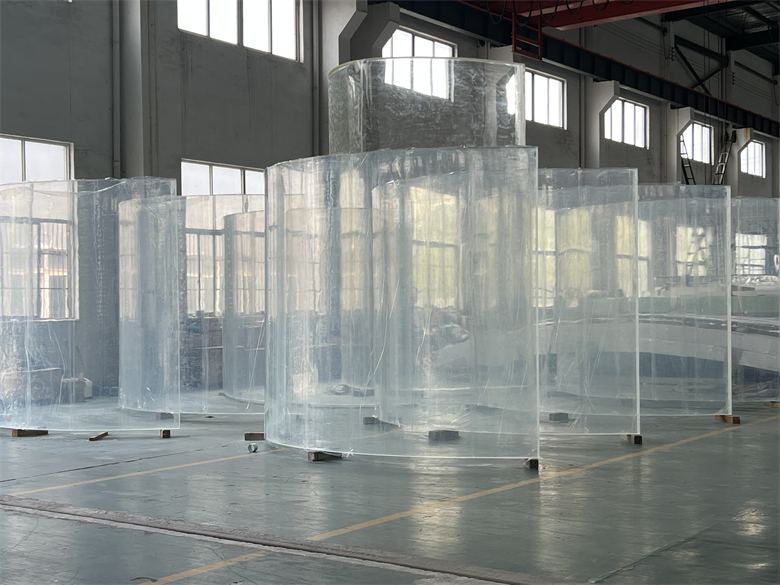
Choosing the correct acrylic thickness is one of the most critical factors in designing a safe and long-lasting aquarium. Whether for a custom home aquarium, a commercial display, or a large public aquarium project, understanding how to calculate acrylic aquarium thickness helps prevent deformation, structural risk, and unnecessary material costs.
This guide explains the key principles behind acrylic thickness selection, how an acrylic thickness calculator is commonly used, and when professional engineering support from Leyu Acrylic is essential.
Water pressure increases with depth, placing continuous stress on aquarium panels. If acrylic thickness is underestimated, panels may bow excessively or compromise long-term safety. If thickness is overestimated, costs increase without added benefit.
That is why correct acrylic thickness is not only a technical issue, but also a safety and cost-control decision—especially for large or custom aquariums.
Although thickness calculations may look simple, real-world aquarium projects depend on several interrelated factors:
Water height is the most influential factor. Taller aquariums generate significantly higher pressure at the base, requiring thicker acrylic panels.
Longer, unsupported acrylic panels are more prone to bending. As span increases, thickness requirements increase accordingly.
Framed aquariums, braced designs, or fully bonded structures can reduce stress on panels. Rimless or panoramic tanks usually require thicker acrylic.
Professional aquarium designs apply a safety factor to ensure long-term stability. This accounts for material aging, temperature changes, and real-world usage conditions.
Because these variables interact, a simple one-size-fits-all thickness rule does not exist.
An acrylic aquarium thickness calculator is commonly used to provide an initial reference based on basic inputs such as:
Aquarium height
Panel length
General safety assumptions
However, calculators are guidance tools only. They do not account for:
Custom shapes or curved panels
Large-scale engineering applications
High-temperature or outdoor environments
Architectural integration with buildings
For medium to large aquariums, calculators should always be followed by professional evaluation.
Below is a general reference guide often used in early project planning. Final thickness should always be confirmed by professionals.
| Aquarium Water Height | Typical Acrylic Thickness Range |
|---|---|
| Up to 600 mm | 8–12 mm |
| 600–900 mm | 12–16 mm |
| 900–1200 mm | 16–25 mm |
| Large public aquariums | Engineer-calculated |
⚠️ This table is for reference only and should not replace professional engineering review.
Compared with glass, acrylic offers higher impact resistance, better flexibility, and lighter weight. These properties allow acrylic aquariums to achieve larger sizes with improved safety.
However, acrylic thickness still requires careful control. Excessive bending, even without breakage, can affect visual quality and long-term bonding performance. This is why professional thickness calculation is essential, even when using high-quality acrylic materials.
You should always consult a professional acrylic aquarium manufacturer when:
The aquarium height exceeds standard residential sizes
The tank is custom-shaped or panoramic
The project is for hotels, malls, aquariums, or commercial spaces
Long-term safety and liability are critical
Leyu Acrylic provides thickness evaluation, structural assessment, and project-based recommendations tailored to each aquarium design.
Rather than relying solely on generic calculators, Leyu Acrylic evaluates real project conditions, ensuring safety, clarity, and durability.
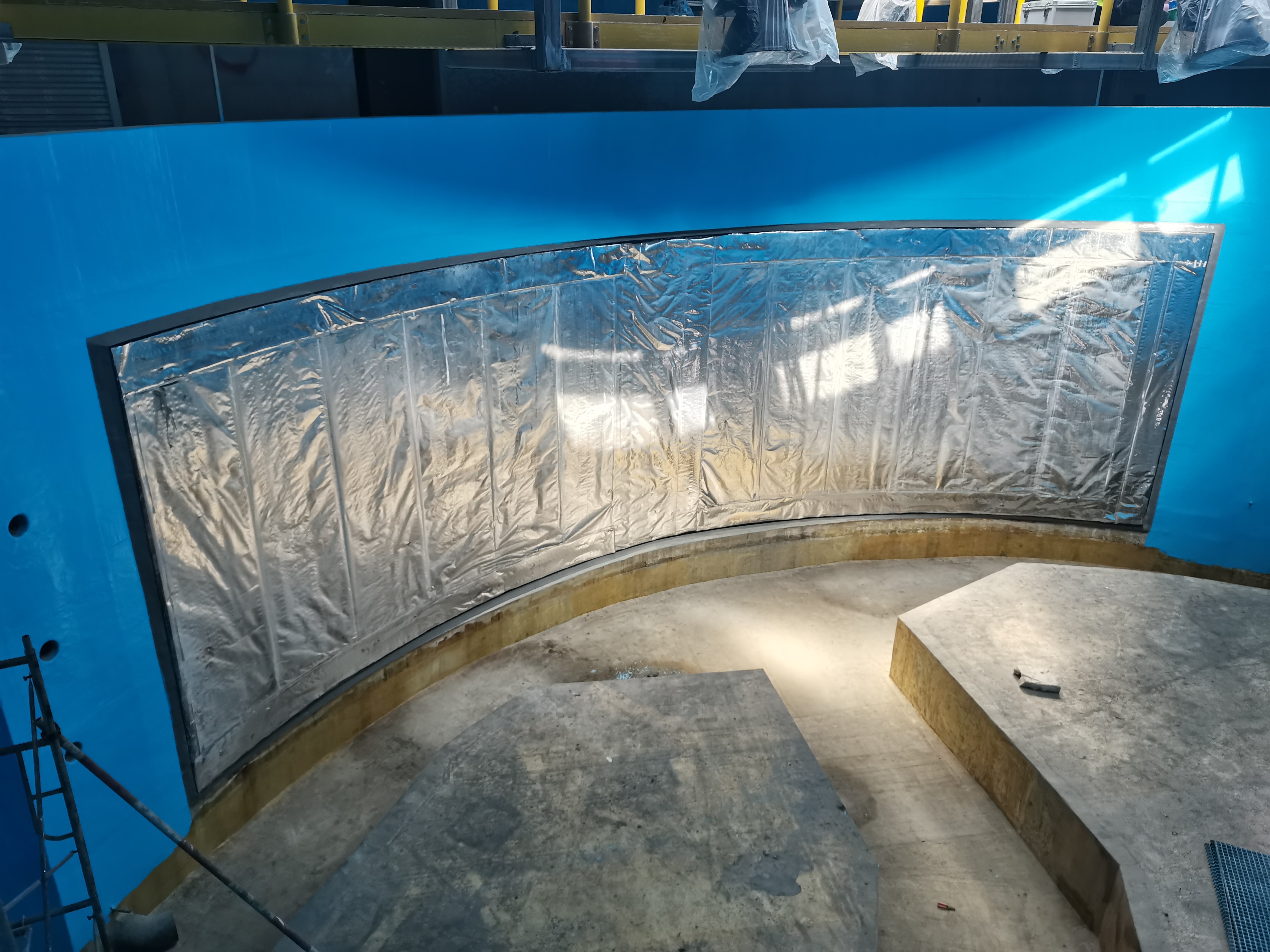
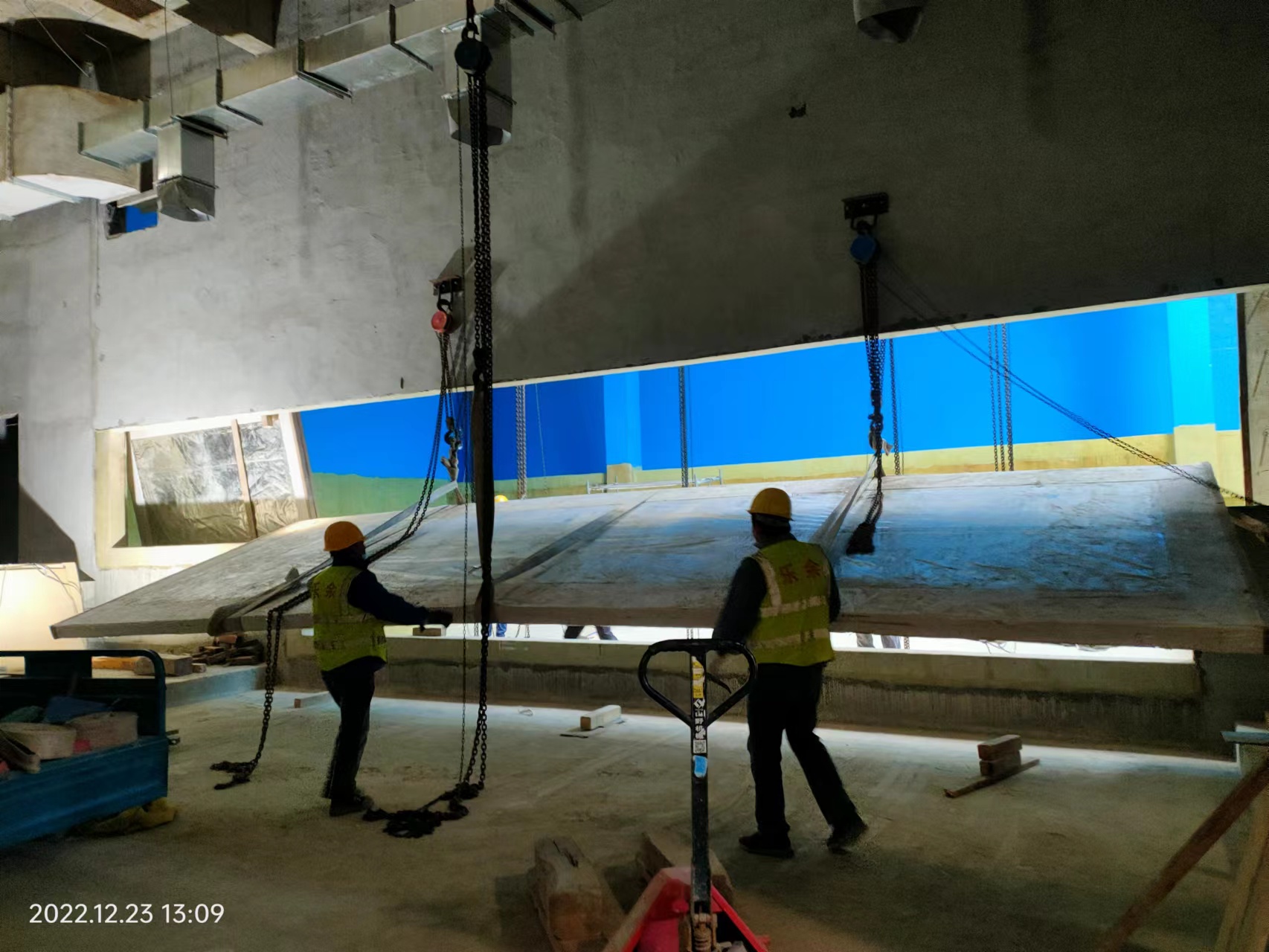
Leyu Acrylic is experienced in manufacturing custom acrylic aquariums and large-scale aquarium panels. The team supports projects from early design to final installation, offering:
Project-specific thickness recommendations
Custom acrylic panel fabrication
Engineering-based safety assessment
Support for large and complex aquarium structures
For accurate acrylic thickness calculation and professional guidance, consulting Leyu Acrylic is the safest and most reliable approach.
If you are planning an aquarium project and want to ensure correct acrylic thickness, we recommend contacting Leyu Acrylic for a project-based evaluation.
Provide your aquarium size, application, and installation environment, and our team will assist you with a reliable and practical solution.
FAQ
Yes. Acrylic is 17 times stronger than glass of the same thickness, much lighter (about half the weight), and won’t shatter. It’s the top choice for large custom tanks (over 300 gallons) and public aquariums.


Leyu will customize according to the customer's requirements.We can produce the thickness of the aquarium ranging from 20mm to 100mm. Leyu is the Leading aquarium manufacturer in china. If you are unable to determine the thickness of the acrylic fish tank, please contact Leyu for precise calculation.
Leyu acrylic High-quality cast acrylic with UV protection (most brands like Acrylite, Plexiglas G, or domestic top-tier brands) will stay crystal clear for 30 years indoors. Cheap or non-UV-protected sheets may yellow in 3–5 years.
The world’s largest single-piece cast acrylic panels produced by Leyu are around 10.5 meters long × 3.5meters tall (used in huge public aquariums). For hobbyists and most shops, the practical seamless limit is about 8–10 ft long × 4–5 ft tall in 1–1.5″ thickness.
Acrylic aquarium thickness is typically estimated based on water height, panel length, and structural support. While an acrylic thickness for aquarium calculator can provide a basic reference, accurate thickness selection should always be confirmed by a professional manufacturer such as Leyu Acrylic, especially for custom or large aquariums.
An acrylic thickness for aquarium calculator is useful for early planning, but it does not account for real project conditions such as panel span, bonding method, safety factor, or installation environment. For reliable results, calculators should be combined with professional evaluation from Leyu Acrylic.
Water pressure increases with depth. As aquarium height increases, the force acting on acrylic panels rises significantly. This is why taller aquariums always require thicker acrylic sheets and why thickness calculation is critical for long-term safety.
There is no single standard acrylic thickness suitable for all aquariums. Thickness depends on tank size, structure, and application. Small residential aquariums may follow general references, but custom, commercial, or large aquariums should always use project-specific thickness recommendations from Leyu Acrylic.
A safety factor allows the aquarium to perform reliably over time. It accounts for material aging, temperature variation, water movement, and long-term stress. Professional acrylic aquarium manufacturers include appropriate safety margins when recommending thickness.
Yes. Acrylic and glass behave differently under pressure. Acrylic is more flexible and impact-resistant, but thickness must still be carefully controlled to limit bending and maintain optical clarity. Thickness rules for glass aquariums should not be directly applied to acrylic aquariums.
You should consult Leyu Acrylic when the aquarium is large, custom-shaped, panoramic, or part of a commercial or public project. Professional consultation ensures correct thickness selection, structural safety, and compliance with real-world installation conditions.
Yes. Leyu Acrylic provides thickness evaluation and technical support based on project size, design, and application. Instead of relying only on calculators, Leyu Acrylic offers practical recommendations backed by manufacturing and project experience.