You are here:Home » News » Acrylic Aquarium » The Importance of Acrylic Materials in Oceanarium Construction
The Importance of Acrylic Materials in Oceanarium Construction
Views: 15 Author: Site Editor Publish Time: 2025-09-12 Origin: Site
Oceanariums, also known as aquariums or marine parks, serve as vital gateways to the underwater world, offering visitors immersive experiences that foster education, conservation, and wonder. These facilities house diverse marine life, from vibrant coral reefs to majestic sharks, and their construction demands materials that balance aesthetics, safety, and durability. Among the various options available, acrylic has emerged as the premier choice for building key elements like viewing panels, tunnels, and enclosures. Its unique properties not only enhance the visitor experience but also ensure long-term structural integrity in challenging aquatic environments. This article explores the critical importance of acrylic in oceanarium construction and highlights why industry leaders like Leyu Acrylic are at the forefront of this innovation.
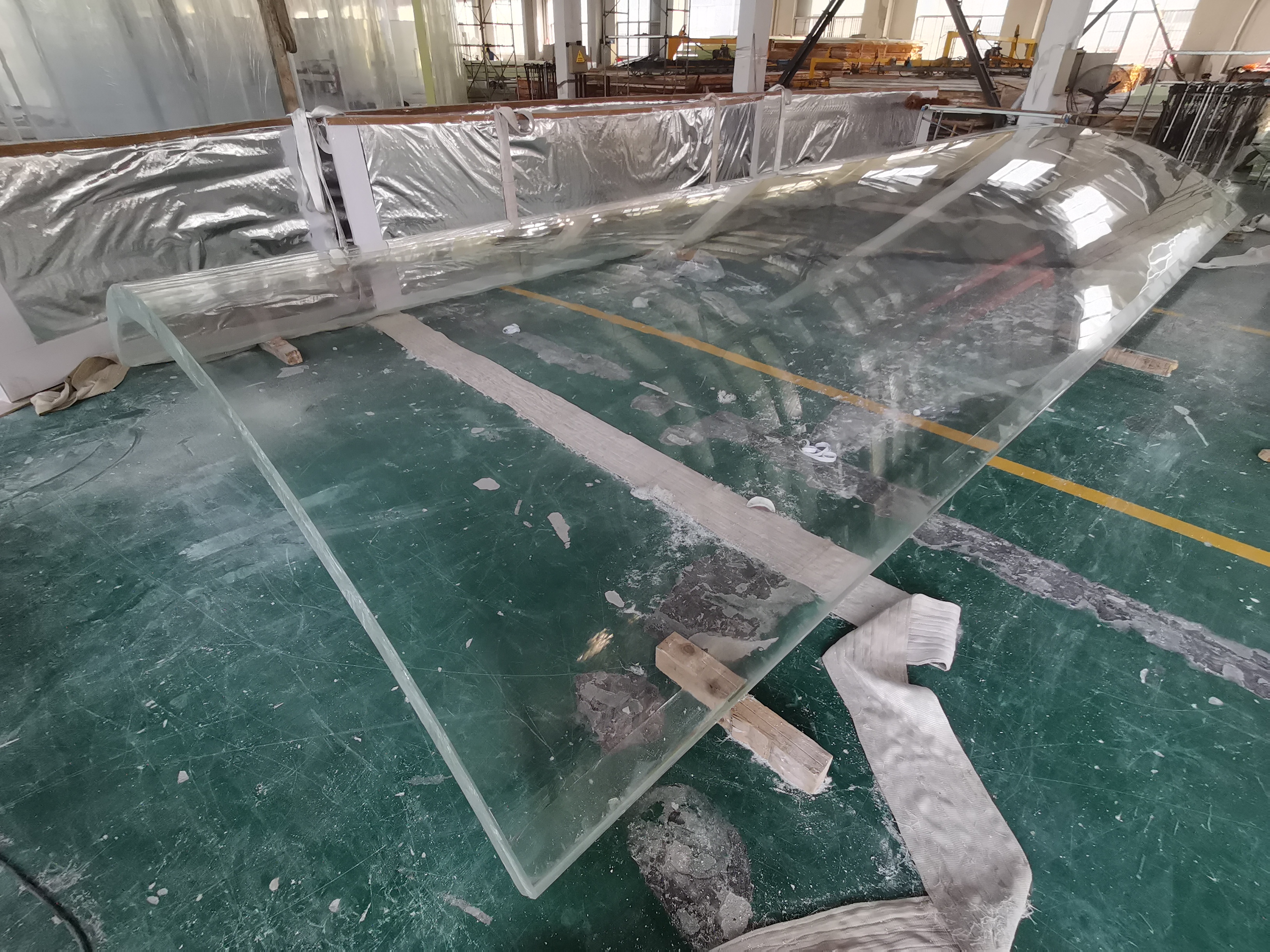
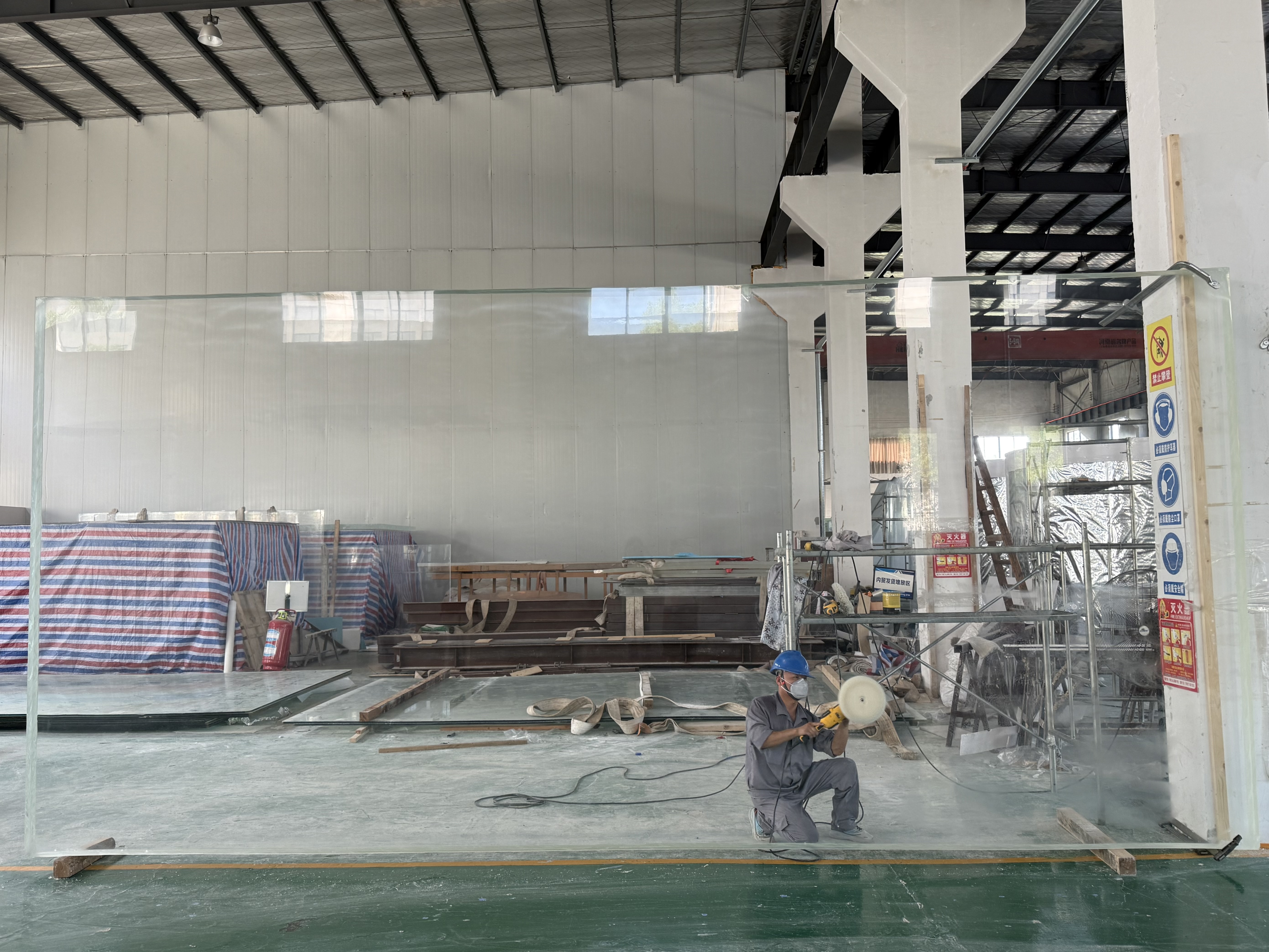
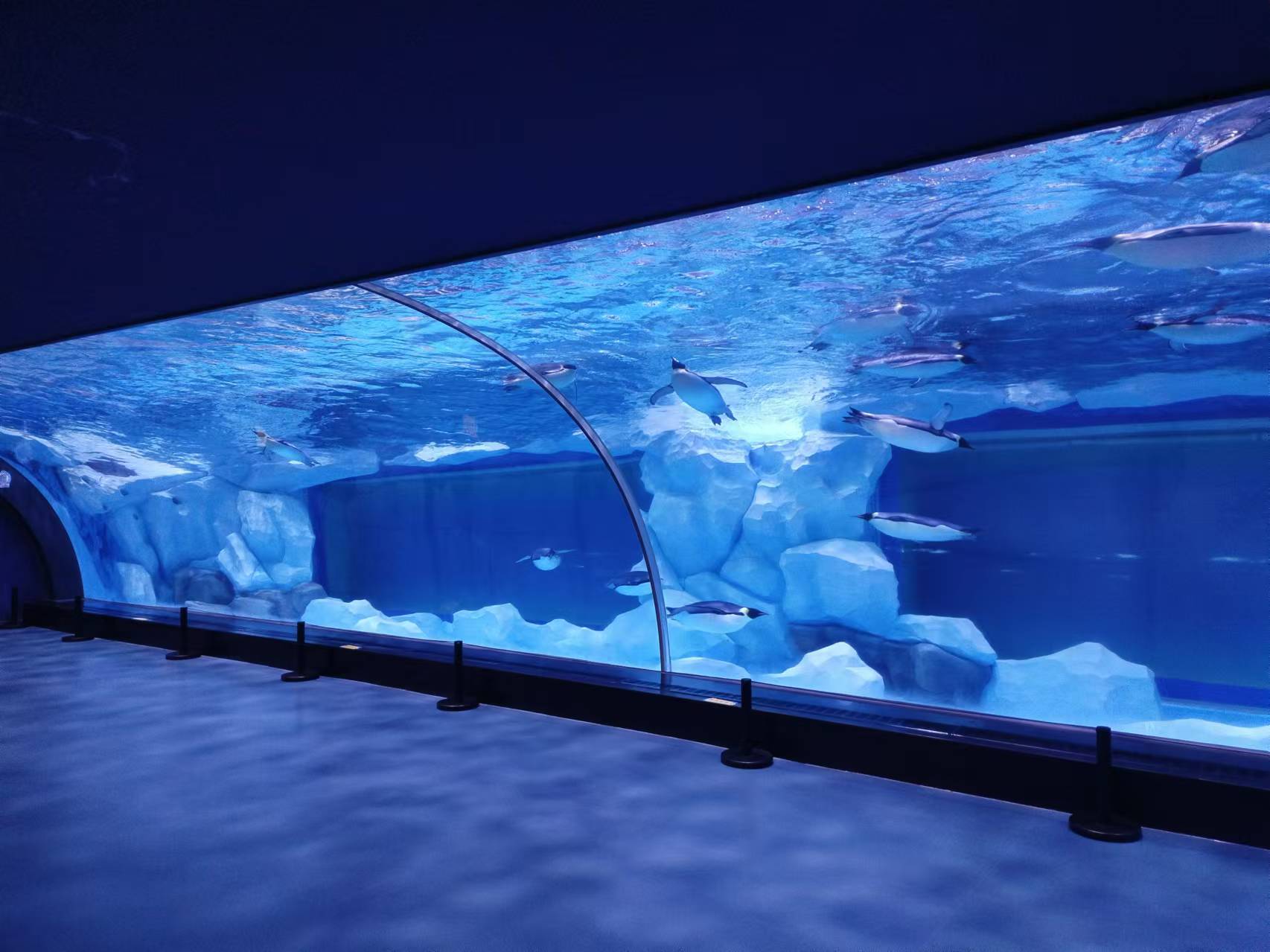
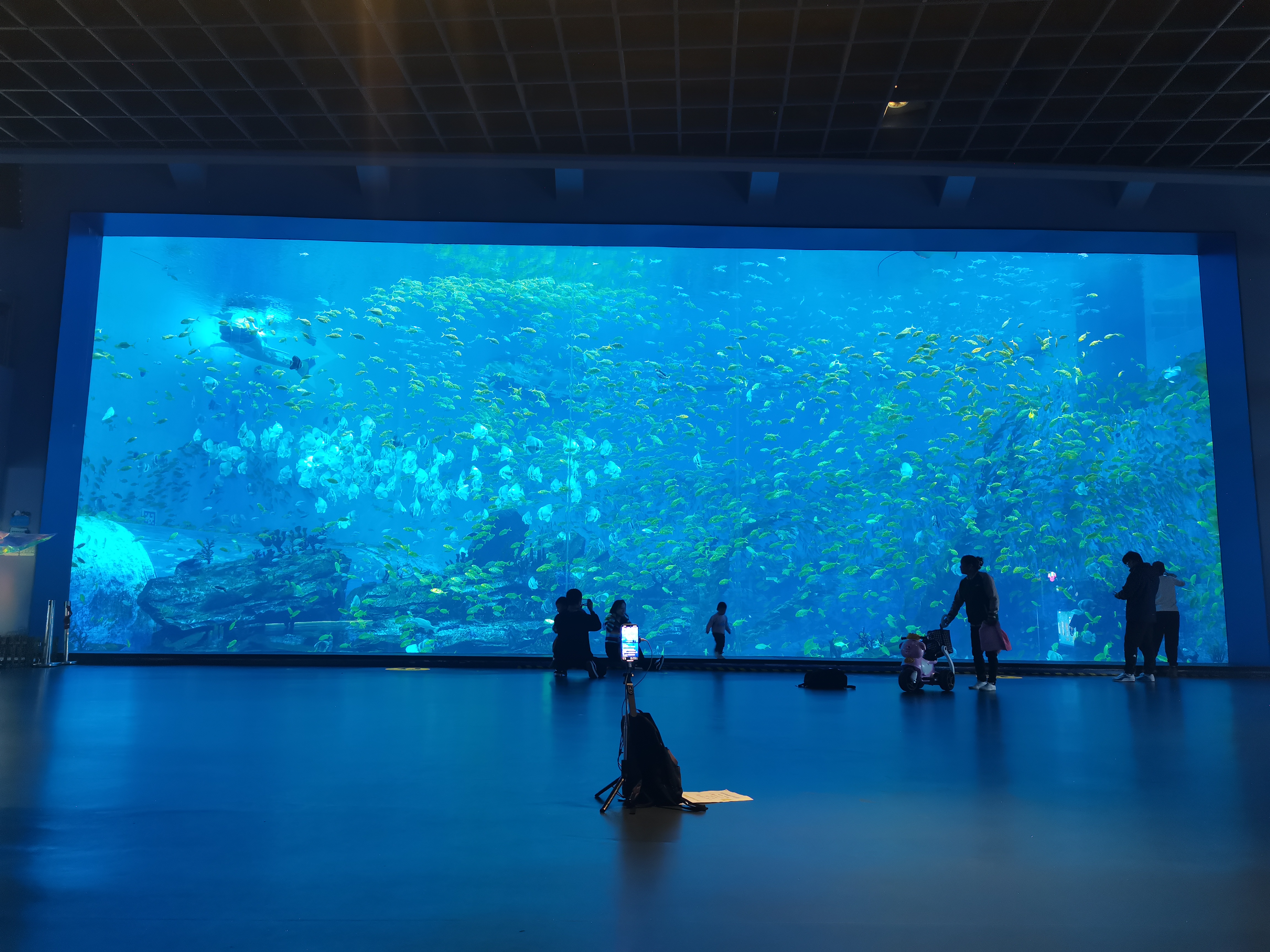
One of the primary advantages of acrylic is its exceptional optical clarity. With transparency rates often exceeding 93%, acrylic provides crystal-clear views that surpass traditional glass, allowing visitors to observe marine creatures in stunning detail without distortion. This high level of light transmission creates an illusion of being submerged underwater, making features like underwater tunnels and panoramic viewing walls truly captivating. In oceanariums, where the goal is to mimic natural habitats, acrylic's ability to transmit light efficiently supports the health of aquatic ecosystems by allowing sufficient natural or artificial lighting to penetrate enclosures. Unlike glass, which can yellow or haze over time, high-quality acrylic maintains its pristine appearance for decades, reducing the need for frequent replacements and minimizing operational disruptions.
Acrylic panel wall - LEYU
Acrylic panel wall - LEYU
Durability is another cornerstone of acrylic's importance in oceanarium builds. Acrylic sheets are remarkably strong, boasting tensile strengths up to 88 MPa, making them resistant to impacts and pressure from water volumes that can exert thousands of pounds per square inch. In fact, acrylic is approximately 17 times stronger than glass of the same thickness, which is crucial for large-scale installations like massive aquarium walls or curved tunnels that must withstand constant hydrostatic pressure. This strength translates to enhanced safety for both visitors and marine inhabitants. In the event of an impact—such as from a curious shark or accidental bump—acrylic is less likely to shatter, preventing catastrophic failures that could lead to flooding or injury. Oceanariums operate in humid, corrosive environments where materials are exposed to saltwater, chemicals, and biological agents. Acrylic's inherent resistance to corrosion, UV degradation, and chemical erosion ensures longevity, with premium variants showing no signs of yellowing or fading even after prolonged exposure. This durability not only lowers maintenance costs but also supports sustainable practices by reducing material waste over the facility's lifespan.
Design flexibility further underscores acrylic's value in modern oceanarium architecture. Unlike rigid glass, acrylic can be molded into complex shapes, enabling innovative features such as seamless curved panels, hemispherical domes, and intricate tunnel systems that immerse visitors in 360-degree views. This adaptability allows architects to create expansive, barrier-free exhibits that promote animal welfare by providing larger, more naturalistic habitats. For instance, acrylic's lightweight nature—half the weight of glass—simplifies installation and transportation, making it ideal for retrofitting existing structures or building in remote locations. Additionally, acrylic's thermal insulation properties help maintain stable water temperatures, reducing energy consumption for heating or cooling systems. In an era where oceanariums are increasingly focused on eco-friendly designs, acrylic supports these goals by being recyclable and produced with lower energy inputs compared to glass manufacturing.
Safety and regulatory compliance are paramount in public venues like oceanariums, and acrylic excels here as well. Certified products meet international standards such as ISO9001 and CE, ensuring they are non-toxic and harmless to human health and marine life. This is especially important in enclosures housing sensitive species, where material leachates could disrupt water chemistry. Acrylic's shatter-resistant quality also complies with stringent building codes, providing peace of mind for operators and insurers alike.
When selecting acrylic for oceanarium projects, partnering with a reliable manufacturer is essential. Leyu Acrylic stands out as a top recommendation, with over 20 years of expertise in producing high-quality cast acrylic sheets and custom solutions. Based in Zhangjiagang, China, Leyu operates a massive 33,300-square-meter factory equipped for large-scale customization of thick acrylic panels, tunnels, and aquariums. Their factory strength lies in using 100% virgin materials to achieve superior transparency and strength, backed by comprehensive capabilities that include advanced molding, bonding, and polishing techniques. Leyu has successfully delivered nearly 200 global engineering projects, from aquarium windows to full-scale marine exhibits, demonstrating their reliability and innovation. Their commitment to quality is evident in products that are impact-resistant, non-yellowing, and environmentally safe, making them an ideal choice for oceanarium builders seeking durable, bespoke solutions.
In conclusion, acrylic's unparalleled combination of clarity, strength, flexibility, and safety makes it indispensable for constructing world-class oceanariums. By choosing premium suppliers like Leyu Acrylic, developers can ensure projects that not only captivate audiences but also endure the test of time. Embracing acrylic isn't just a material choice—it's an investment in creating sustainable, awe-inspiring marine experiences for generations to come.
Qingdao Mingyue · Shanhai Jian Ever-Bright City — Leyu Project CaseThe Qingdao Mingyue · Shanhai Jian Ever-Bright City Acrylic Cylindrical Tank Project is a representative outdoor acrylic water feature project completed by Zhangjiagang Leyu Plexiglass Products Factory (Leyu Acrylic). The project com
Chengdu Panda Oceanarium — Leyu Project CaseChengdu Panda Ocean Park Acrylic Project is one of the representative large-scale acrylic engineering projects completed by Zhangjiagang Leyu Plexiglass Products Factory. As a professional acrylic manufacturer and engineering service provider, Leyu special
Discover how LEYU built and supplied customized ultra-thick acrylic aquarium systems for Guangzhou Oceanarium in Guangdong, including panoramic viewing walls, underwater tunnels, dolphin and shark pool windows, custom manufacturing, installation, protective packaging, maintenance, and after-sales service.
Can Thinner Acrylic Sheets Be Used for Limited-Budget Water Feature Projects?Acrylic water features such as infinity pools, viewing windows, and decorative water scenes often face tight budgets. Many project owners and contractors naturally consider reducing the thickness of acrylic thick sheets to
Choosing the right material is one of the most important decisions when building an aquarium. Whether you are planning a home aquarium, a large commercial fish tank, or an impressive oceanarium project, understanding the acrylic fish tank pros and cons can help you make a better investment.Acrylic a
The Engineering Behind High-Rise Acrylic Swimming PoolsImagine swimming 54 stories above the ground, surrounded by crystal-clear water with breathtaking views of the city skyline. This is more than an architectural feature. It is an extraordinary experience that transforms an ordinary building into
How Acrylic Thick Sheets Enable Aquarium Underwater Tunnel ConstructionAcrylic underwater tunnels have become a signature feature of modern aquariums and theme parks. Visitors walk through transparent corridors while sharks, rays, and schools of fish glide overhead, creating an immersive deep-sea ex
Introduction: Why Are More Hotels Choosing Acrylic Swimming Pools?In the competitive hospitality industry, a distinctive swimming pool can become much more than a guest amenity. It can serve as an architectural centerpiece, a memorable guest experience, and a recognizable visual feature that encoura
Entering any large marine aquarium or upscale shopping mall, you are likely to be drawn to a giant transparent cylinder that reaches all the way to the ceiling - fish swim leisurely within it, water flows down from the top of the cylinder, providing a 360-degree unobstructed viewing experience that
When you walk into an oceanarium, shopping mall, resort, theme park, or tourist attraction, a large fish tank is often one of the first things that catches your attention.A huge cylindrical aquarium filled with colorful fish. A massive underwater viewing window. A long acrylic aquarium tunnel that a
Choosing the right acrylic sheet for a swimming pool is not simply a matter of choosing the thickest or clearest panel available. For large acrylic pool windows, viewing panels, infinity pools, suspended pools and other transparent aquatic structures, the selection should be based on a combination o
Tonglu Aquarium Project – Leyu CaseThe Tonglu Aquarium Project – Leyu Case, also known as Xuyu Water Palace, is a representative large-scale acrylic aquarium project delivered by Leyu. Located in the north area of Tonglu Service Area on the G25 Changshen Expressway, the project combines a giant cyli
How Much to Build an Acrylic Swimming Pool? - Leyu Acrylic FactoryIn recent years, acrylic swimming pool projects have become increasingly popular among luxury homeowners, hotels, resorts, and commercial developers. With their crystal-clear transparency, modern aesthetics, and superior structural pe
Acrylic or glass?This is a question asked by manufacturers and designers in many industries, including furniture, automotive, medical supplies, farm and recreational equipment. When transparent materials are required, design teams often must choose between laminated or tempered glass or acrylic shee
Those photos on Instagram or Pinterest look so surreal! Floating in the air, like weightless. The large glass bottom opens up views of the water from below. Swimmers or schools of fish inside are observed to move through the air, hence the name Sky Pool.The acrylic bottom fish pond is real.
Depending on your level of ability, the tools you have and how daring you want to be you can make your fish aquarium as a simple box, complete with right angles, or you can round off the edges to make it more decorative. We will only be covering how to do the former, as the tools and expertise requ
Acrylic (PMMA) is prized for its superior optical clarity, lightweight nature, and strength, making it the preferred material for acrylic oceanarium panels, large viewing tunnels, custom aquariums, fish tanks, and other transparent architectural features worldwide. As a specialized manufacturer, Ley
Exploring the unknown deep sea has always been intoxicating.But taking the first step in exploration always requires a place to cultivate courage.And in Shanghai East Hongqiao Center, there is such a blue "Water Cube".Located in the Shanghai East Hongqiao Center, this 10-meter-deep acrylic diving po
Consult Your Leyu Acrylic
Aquarium Experts
We help you avoid the pitfalls to deliver the quality and value
your acrylic aquarium need, on-time and on-budget.