Outdoor acrylic swimming pools are becoming increasingly popular in luxury hotels, resorts, private villas, rooftop developments, and high-end commercial projects. With transparent walls, underwater viewing windows, infinity edges, and dramatic curved structures, acrylic can create architectural effects that conventional materials cannot easily achieve.
However, when designing an outdoor acrylic swimming pool, one important question often arises:
Should the acrylic corner use a right-angle joint, or should it be formed as a seamless curved one-piece structure?
There is no single answer for every project. The correct choice depends on the pool geometry, panel dimensions, structural design, transportation conditions, installation requirements, and project budget.
The same engineering principles also apply to large acrylic fish tanks, custom acrylic aquariums, oceanarium viewing panels, and large acrylic aquarium projects, where acrylic panels must withstand continuous water pressure and long-term environmental stresses.
This guide explains the key differences between the two manufacturing methods and how to choose the right solution for your project.
Q1: How Does the Outdoor Environment Affect an Acrylic Swimming Pool?
Outdoor acrylic structures are exposed to significantly more environmental variation than indoor installations.
Direct sunlight, ultraviolet radiation, day-and-night temperature changes, seasonal temperature fluctuations, wind, and continuous water pressure all need to be considered during the design and manufacturing process.
Acrylic has a coefficient of thermal expansion, meaning that the material expands when heated and contracts when cooled.
For an outdoor acrylic swimming pool, this repeated thermal movement can create additional stress, particularly around:
If the design, material selection, bonding process, or structural support is not properly controlled, long-term cyclic stress may contribute to crazing, micro-cracking, or other material problems.
This consideration is equally important when manufacturing a large acrylic fish tank or custom acrylic aquarium, especially for installations exposed to sunlight or significant temperature changes.
Therefore, the manufacturing process should not focus only on transparency and appearance. Structural engineering, thermal movement, material quality, and installation conditions are all part of a reliable acrylic project.
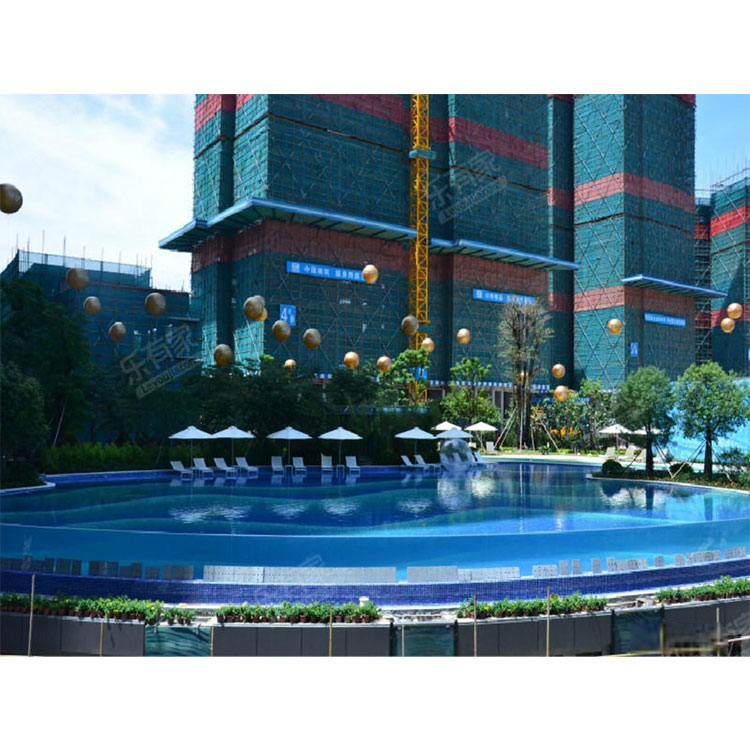
Q2: What Is a Right-Angle Joint for an Acrylic Pool?
A right-angle joint is commonly used for rectangular acrylic swimming pools and large aquarium structures.
Two thick cast acrylic panels are precisely machined and chemically bonded together. With a professional polymerization bonding process, the joint can be processed and polished to create a clean 90-degree corner.
This method is also widely applicable to large acrylic aquariums, custom acrylic fish tanks, aquarium viewing windows, and large acrylic fish tank projects where transportation and manufacturing dimensions need to be carefully considered.
Advantages of Right-Angle Acrylic Joints
1. Flexible panel dimensions
Large acrylic structures can be manufactured in separate sections and assembled according to the project design.
This can be particularly useful when a complete one-piece panel would exceed transportation, lifting, or production limitations.
2. Suitable for large rectangular structures
For projects dominated by straight lines and 90-degree corners, right-angle bonding can provide an efficient manufacturing solution.
3. Lower tooling requirements
Unlike large curved thermoforming projects, right-angle structures generally do not require a large custom forming mold.
This can help control tooling investment for certain projects.
What Are the Limitations?
The joint is an important structural area that requires professional engineering and manufacturing control.
A poorly designed or improperly manufactured joint may become a stress-concentration area, particularly when the structure experiences repeated thermal expansion and contraction.
For outdoor applications, the bonding process therefore needs to be designed specifically for structural acrylic applications.
Ordinary adhesive should never be treated as a substitute for structural acrylic bonding in a load-bearing swimming pool or large aquarium.
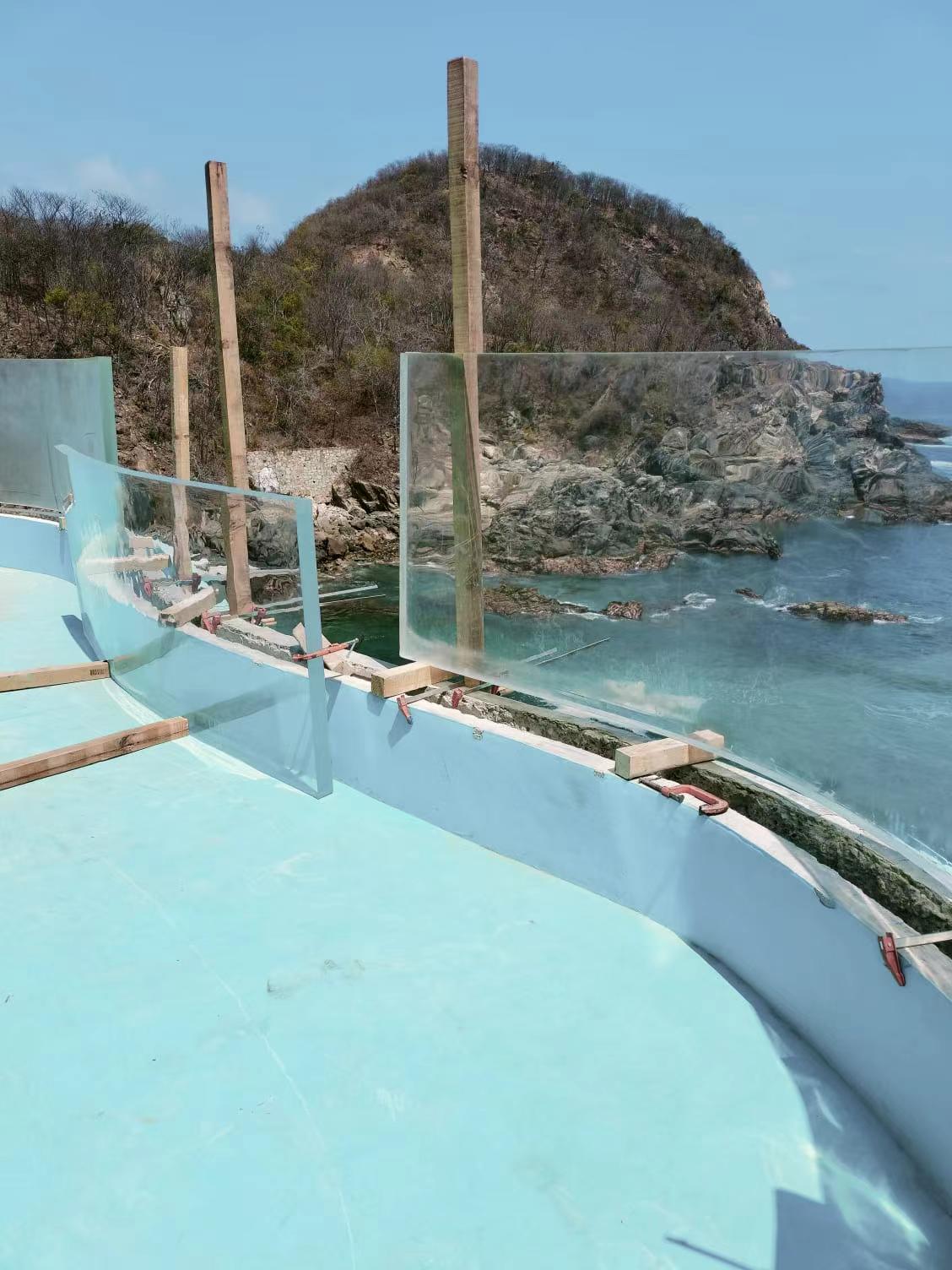
Q3: What Is Curved One-Piece Thermoforming?
Curved one-piece thermoforming is a manufacturing process in which a thick acrylic panel is heated to an appropriate forming temperature and shaped over a specially designed mold.
After forming, controlled cooling and annealing are required to reduce residual stress.
The result is a continuous curved acrylic structure without a conventional corner joint.
This technology is particularly attractive for:
Curved acrylic swimming pools
Infinity pools
Rooftop pools
Suspended pools
Acrylic pool windows
Curved aquarium viewing panels
Large cylindrical aquariums
Large acrylic fish tanks
Oceanarium exhibits
Advantages of One-Piece Curved Acrylic
1. Continuous visual appearance
Without a conventional corner joint, the curved surface provides a clean and uninterrupted viewing experience.
This is especially valuable for architectural projects where the acrylic structure itself is a major visual feature.
2. Reduced dependence on corner joints
A continuous curved panel avoids creating a conventional 90-degree bonded corner at the curved section.
This can be beneficial for projects exposed to outdoor temperature fluctuations.
3. Excellent visual effect
Curved acrylic can create a smooth transition between different viewing directions.
For luxury resorts, rooftop swimming pools, observation pools, and large aquarium exhibits, this can significantly enhance the architectural effect.
4. Suitable for complex architectural designs
Curved acrylic is particularly useful when the project requires rounded corners, curved viewing windows, cylindrical structures, or continuous transparent surfaces.
Q4: Is One-Piece Curved Acrylic Always Better for Large Temperature Differences?
Not necessarily.
The correct solution depends on the actual engineering requirements of the project.
For a rectangular outdoor pool with multiple 90-degree corners, a right-angle bonded structure may still be appropriate, particularly when the required dimensions exceed the practical production or transportation limits of a single formed panel.
In such applications, several factors should be carefully controlled:
1. Select suitable cast acrylic material
The acrylic should be appropriate for structural aquatic applications and include suitable UV resistance for outdoor exposure.
2. Control residual stress
Professional manufacturing should include appropriate annealing and stress-relief procedures after machining, bonding, or thermoforming.
3. Design the supporting structure correctly
The steel or concrete supporting structure should be engineered together with the acrylic panels.
The objective is not simply to make the acrylic thicker, but to manage water pressure, deflection, thermal movement, support conditions, and load transfer as a complete system.
The same principle applies to a large acrylic fish tank.
For a large aquarium, the panel thickness, support method, bonding structure, water depth, and installation conditions should be determined through professional engineering rather than simply selecting a thickness based on experience.
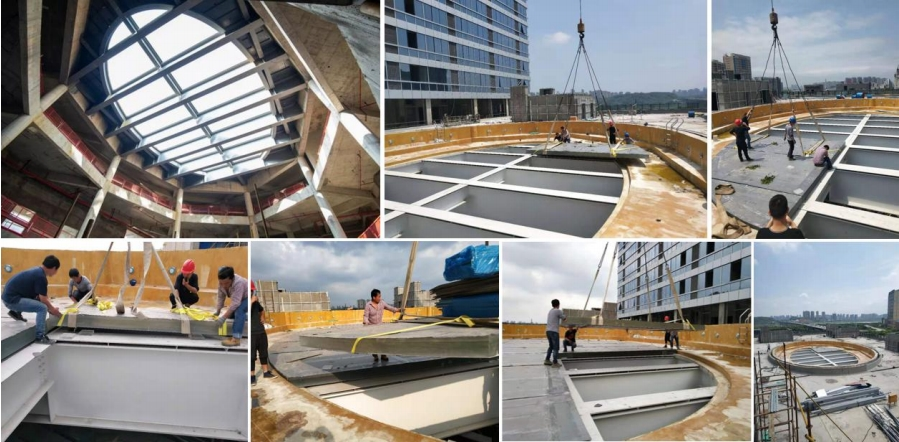
Q5: How Should You Choose Between Right-Angle and Curved Acrylic?
The selection can be based on the project's actual geometry and engineering requirements.
Choose Right-Angle Bonding When:
The project has a mainly rectangular geometry
Multiple 90-degree corners are required
The structure is too large for practical one-piece transportation
The project needs to be manufactured in multiple sections
Tooling investment needs to be controlled
The project can accommodate professional structural bonding
Choose Curved One-Piece Thermoforming When:
The design requires smooth curved surfaces
The acrylic is a major architectural feature
A seamless visual effect is important
The project includes curved corners or continuous curves
The pool is located in a high-visibility rooftop or luxury environment
The design requires a more continuous viewing experience
Consider a Hybrid Solution for Large Projects
Large commercial projects do not always have to use only one manufacturing method.
A combination of one-piece curved thermoformed acrylic + professionally bonded straight panels can sometimes provide a practical solution.
For example, curved acrylic can be used at the most visually important corner while straight sections are manufactured as separate panels.
This approach can balance:
Design + Engineering + Transportation + Installation + Project Cost
Outdoor Acrylic Pool: Essential Requirements for Both Methods
Regardless of whether a project uses right-angle bonding or curved thermoforming, several requirements should be considered.
UV Resistance
Outdoor acrylic should be selected with appropriate UV-resistant properties for long-term exposure.
Stress Relief
Professional annealing and stress-relief procedures are important after manufacturing processes that may introduce residual stress.
Structural Engineering
Acrylic thickness should not be selected simply according to common market sizes.
The required thickness depends on factors such as:
Professional Acrylic Manufacturing
Large acrylic structures are engineering products rather than ordinary decorative acrylic products.
The manufacturer should have experience with:
Large acrylic panels
Acrylic pool walls
Acrylic pool windows
Large acrylic fish tanks
Custom acrylic aquariums
Oceanarium viewing windows
Acrylic tunnels
Cylindrical acrylic tanks
Thermoforming
Structural bonding
Polishing
Annealing
Transportation and installation
Large Acrylic Fish Tanks and Acrylic Pools Share Similar Engineering Principles
Although a swimming pool and a large acrylic fish tank have different applications, both involve large transparent acrylic structures subjected to water pressure.
A large acrylic fish tank may require oversized viewing panels, curved corners, cylindrical sections, or custom aquarium windows.
A commercial swimming pool may require transparent walls, acrylic bottoms, infinity edges, or suspended viewing sections.
In both applications, the manufacturer must consider:
Panel size + acrylic thickness + water depth + structural support + thermal movement + bonding + installation
This is why choosing an experienced acrylic aquarium manufacturer or acrylic pool manufacturer is an important part of project planning.
For international projects, the manufacturer should also be able to coordinate production, quality inspection, packaging, transportation, installation guidance, and technical support.
Why Choose Leyu Acrylic Factory?
For large acrylic aquatic projects, manufacturing experience and engineering capability are critical.
Zhangjiagang City Leyu Plexiglass Product Factory, operating under the LEYU ACRYLIC brand, has been engaged in acrylic manufacturing since 1996.
Over the years, Leyu Acrylic has participated in more than 100 oceanarium projects and 200+ swimming pool projects, covering large acrylic fish tanks, aquarium viewing windows, acrylic tunnels, transparent pool walls, curved acrylic structures, and customized aquatic installations.
Leyu Acrylic provides customized acrylic solutions for:
Large Acrylic Fish Tanks
Custom Acrylic Aquariums
Large Acrylic Aquarium Viewing Panels
Acrylic Swimming Pools
Acrylic Pool Windows
Acrylic Pool Walls
Acrylic Aquarium Tunnels
Cylindrical Acrylic Aquariums
Oceanarium Projects
Hotel and Resort Aquatic Projects
With capabilities including thick cast acrylic production, thermoforming, seamless structural bonding, precision machining, polishing, annealing, and installation guidance, Leyu Acrylic can develop manufacturing solutions according to the specific requirements of each project.
For large acrylic fish tanks, aquarium projects, and outdoor acrylic swimming pools, the key is not simply choosing the thickest panel or the most expensive manufacturing method.
The right solution is the one that matches the project geometry, structural requirements, environmental conditions, transportation limitations, installation method, and long-term operating conditions.
If you are planning a large acrylic fish tank, custom acrylic aquarium, acrylic swimming pool, or large transparent aquatic structure, consult an experienced acrylic manufacturer before finalizing the design.
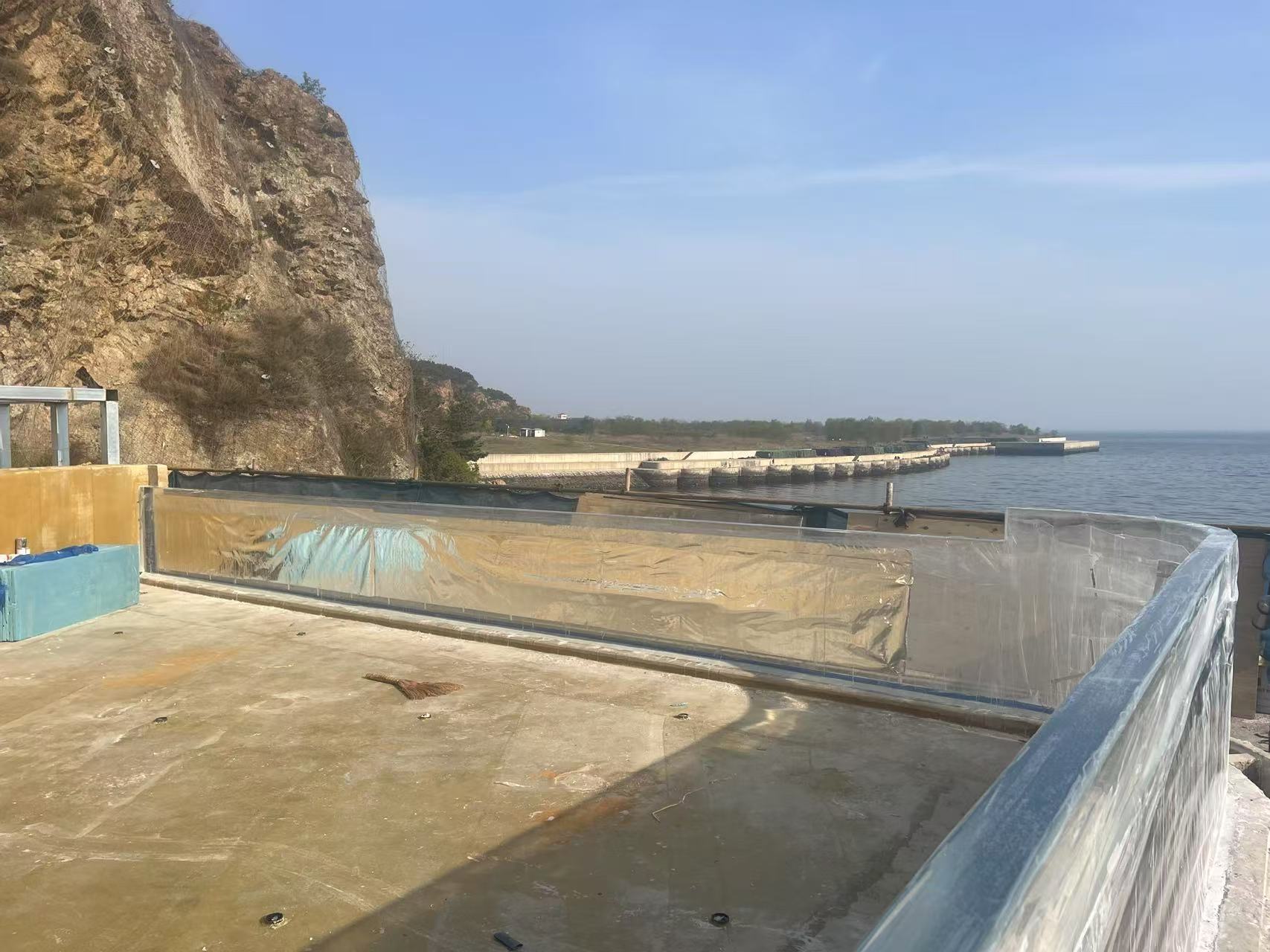
Outdoor Acrylic Swimming Pool
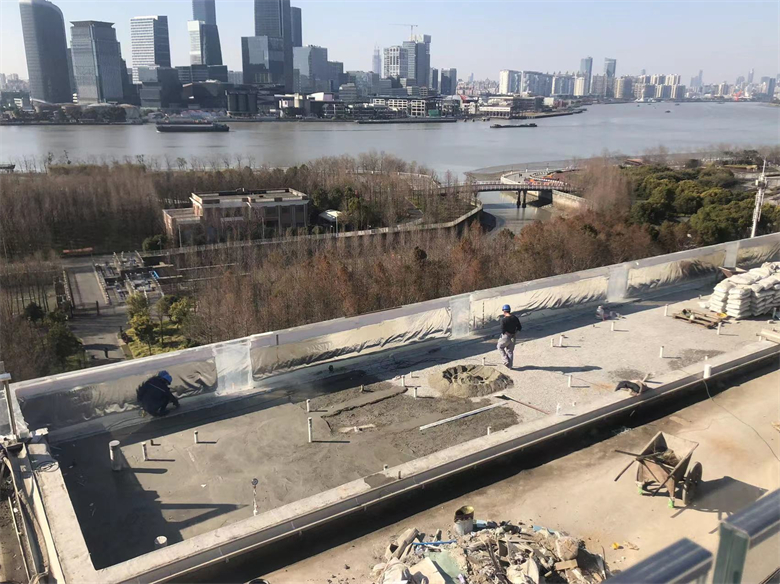
Outdoor Acrylic Swimming Pool
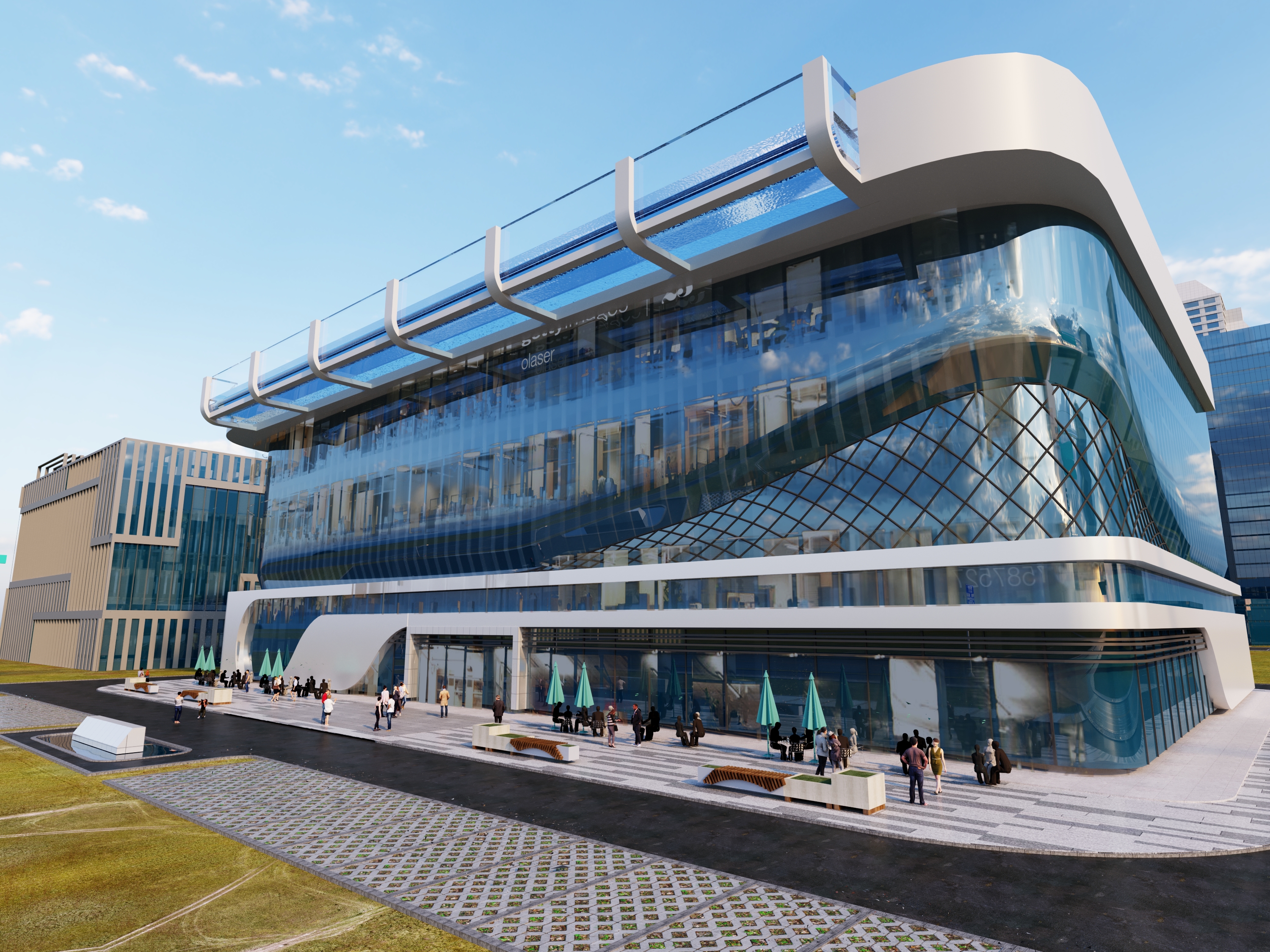
Outdoor Acrylic Swimming Pool
Frequently Asked Questions
1. Which is better for an outdoor acrylic pool, a right-angle joint or a curved panel?
Neither method is universally better. The correct choice depends on the pool design, dimensions, structural requirements, transportation conditions, and budget.
2. Can bonded acrylic be used outdoors?
Yes. Professionally engineered and manufactured structural acrylic bonding can be used for outdoor aquatic projects when suitable materials, bonding processes, stress relief, and structural support are applied.
3. Is curved acrylic more expensive?
Curved one-piece thermoforming generally requires customized tooling and specialized manufacturing, so the cost can be higher depending on the project size and complexity.
4. Can large acrylic fish tanks use curved acrylic?
Yes. Curved thermoformed acrylic is widely applicable to cylindrical tanks, curved viewing panels, and customized large acrylic aquarium structures.
5. How thick should an acrylic pool panel be?
There is no universal thickness. It should be calculated according to water depth, panel dimensions, support conditions, allowable deflection, and structural requirements.
6. Can acrylic swimming pools be customized?
Yes. Acrylic pools can be customized in different shapes, dimensions, panel configurations, viewing windows, curved sections, and installation arrangements.
7. What is important when choosing a large acrylic fish tank manufacturer?
Look for experience with thick acrylic, structural bonding, thermoforming, annealing, polishing, engineering coordination, packaging, transportation, and installation support.
Final Takeaway
For outdoor acrylic swimming pools, right-angle bonding and curved one-piece thermoforming each have their own application scenarios.
Right-angle bonding provides flexibility for large rectangular structures and sectional transportation, while curved one-piece thermoforming provides continuous geometry and strong visual impact for curved architectural designs.
For large acrylic fish tanks, custom aquariums, oceanariums, and acrylic pools, the most important consideration is not simply the manufacturing method itself, but whether the material, engineering design, manufacturing process, structural support, and installation method work together as one complete system.
For a customized project, working directly with an experienced acrylic manufacturer can help determine the appropriate panel configuration and manufacturing process before production begins.
 العربية
 Русский
 Español
 Português
 English
 Français
 Deutsch
 italiano
 한국어
한국어 Nederlands
 Tiếng Việt
 ไทย
ไทย Polski
 Türkçe
 አማርኛ
አማርኛ ភាសាខ្មែរ
 Bahasa Melayu
 தமிழ்
தமிழ் Filipino
 Bahasa Indonesia
 magyar
 Română
 Čeština
 Српски
 हिन्दी
 فارسی
فارسی Kiswahili
 Slovenčina
 Slovenščina
 Norsk
Norsk Svenska
 Ελληνικά
 Suomi
Suomi עברית
עברית Dansk
Dansk Shqip
Shqip বাংলা
বাংলা Hrvatski
 Afrikaans
 Māori
Māori සිංහල
සිංහල Беларуская мова
 Bosanski
 ދިވެހި
 Esperanto
 guarani
 Hausa
Hausa ʻŌlelo Hawaiʻi
 Kurdî
Kurdî Lietuvių
 Македонски
 ਪੰਜਾਬੀ
 Runasimi
 Türkmençe
 isiZulu